L-carnitine is taken by mouth for conditions of the heart and blood vessels including heart-related chest pain, congestive heart failure (CHF), heart complications of a disease called diphtheria, heart attack, heart disease, leg pain caused by circulation problems (intermittent claudication), reduced circulation in the arms and legs due to narrowed blood vessels (peripheral vascular disease), irregular heartbeat, and high cholesterol
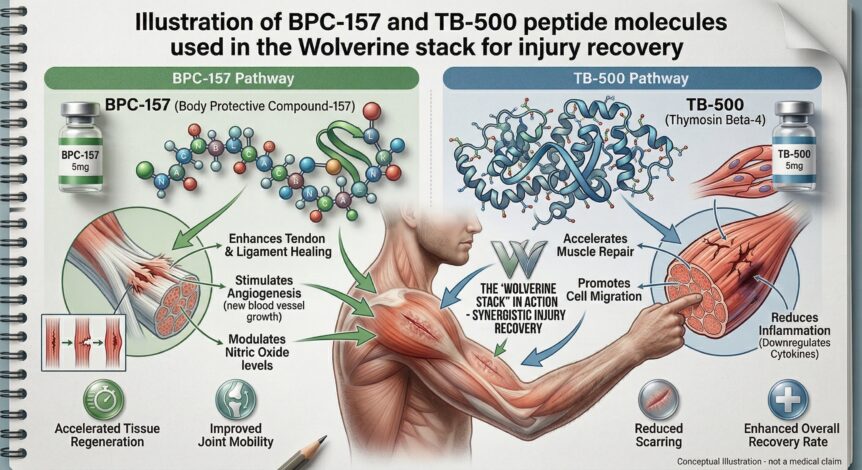
TB-500 for Anti-Inflammatory Effects Research indicates that TB-500 possesses anti-inflammatory properties, which could help mitigate inflammation in various tissues
Correct dosage matters dramatically for peptides because they act through delicate hormonal pathways 1 : too little gives no physiological effect
180,182 Another important gene, SLC2A9, encodes a urate transporter and exerts a significant influence on SUA levels
L-carnitine should not be treated as a single raw-material option in commercial formulation