The Mori refer to New Zealand as Aotearoa
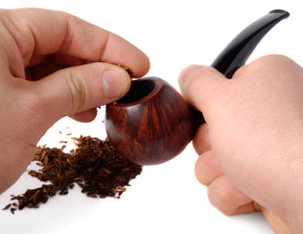
Starting with airplanes and little by little, the stores, buses, hotels, hospitals, everywhere became off-limits to the cigarette puffers, first in designated areas, and finally outdoors, then 25 feet away from building doors/windows
Of that, 52.5 percent is organic, while 36.5 percent consists of recyclables like glass, plastics, metal, and paper.[8] According to researchers at the American University of Beirut, only 10-12 percent of Lebanons waste cannot be composted or recycled.[9] Although waste collection approaches 100 percent, only around 8 percent of waste is recycled and another 15 percent composted.[10] Instead, 77 percent of the waste in Lebanon is either openly dumped or landfilled.[11] As of 2005, about 410,000 tons of municipal solid waste were being dumped in the environment every year including medical, industrial, and slaughterhouse waste comingled with the municipal waste stream.[12] Meanwhile, the Ministry of Environment estimated in 2010 that the cost of environmental degradation from dumping and burning was estimated to be US$10 million per year, and rising.[13] Even in Beirut, opportunities for recycling are scarce, and often depend on private companies or NGO initiatives.[14] Meanwhile, rapid urbanization, rising consumption, and a lack of environmental awareness are leading to an increase in waste generation, according to the Ministry of Environments report.[15] Open Burning Open burning is a direct result of the Lebanese governments mismanagement of its solid waste

Design and Placement: Integration with Interiors Air purifiers come in various shapes, sizes, and designs
they believed cigarettes and food were remarkably similar businesses