Ischemic heart disease including myocardial infarction and chronic ischemia could potentially benefit from the peptide's cardioprotective effects, enhanced coronary angiogenesis, and anti-arrhythmic properties demonstrated in animal models
It may be considered: During periods of high stress or fatigue During recovery from illness or surgery When clinical history suggests deficiency risk As part of a broader, supportive infusion plan All decisions are guided by clinical assessment , not symptom trends
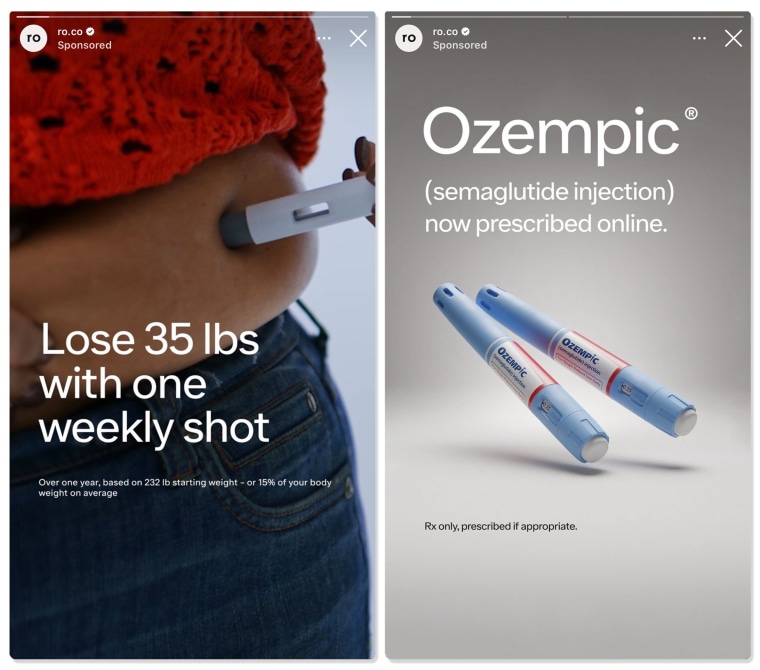
Its important for patients to follow the dosage and schedule provided, and not to stop a medication early or take more than recommended without consulting the prescriber
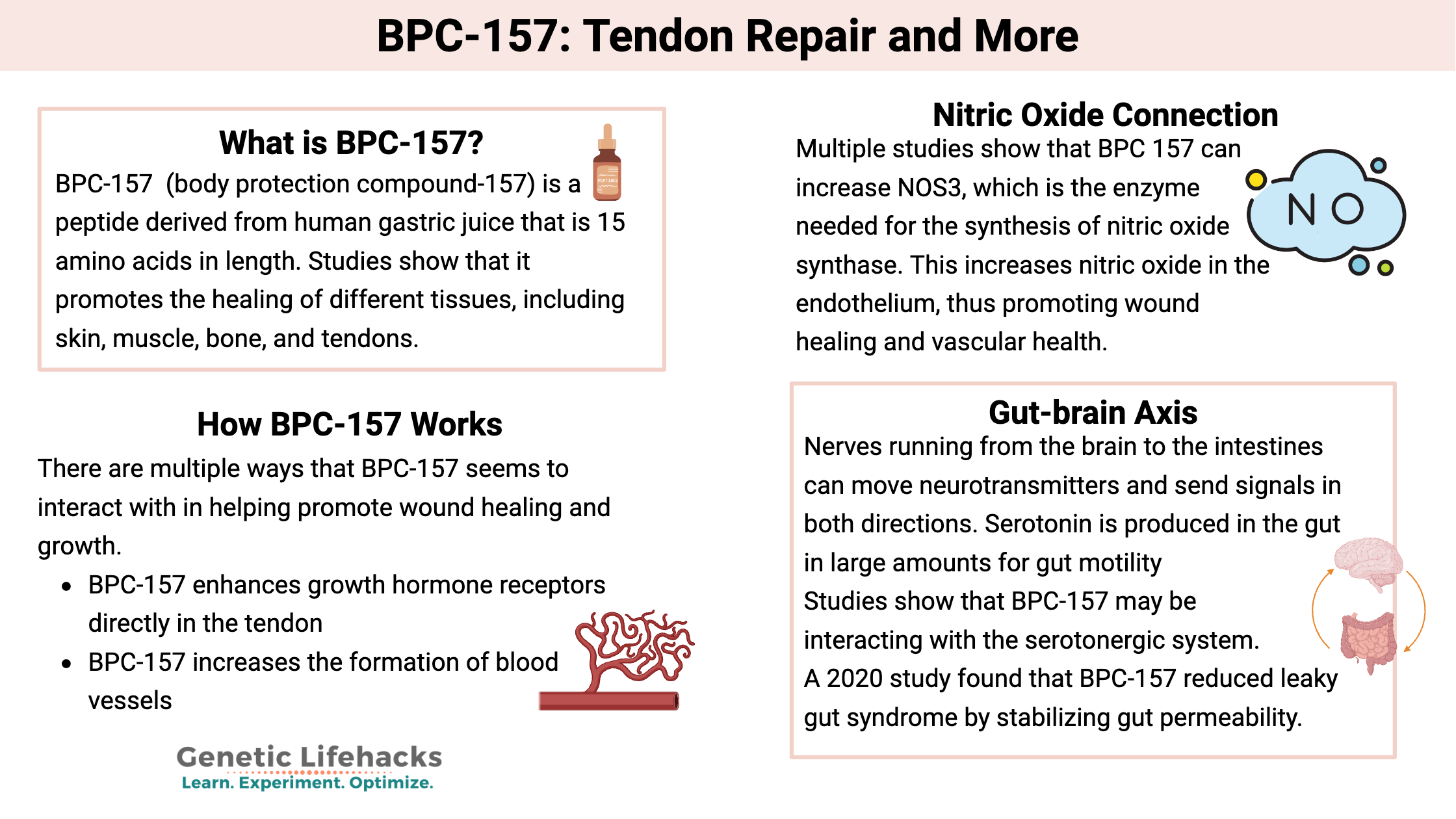
BPC-157 with TB4 Recommended for recovery and healing Pros Combines two peptides that accelerate recovery from injury Stimulates collagen production to help regenerate tissues Reduces inflammation and joint pain May promote cardiovascular health Cons BPC-157 works by an as-yet undetermined mechanism of action BPC-157 presents a risk of immunogenicity and life-threatening immune responses Usually administered by subcutaneous injection Prohibited by the World Anti-Doping Agency The BPC-157 and TB4 stack accelerates tissue repair and recovery from injury
ROS not only directly damage endothelial cells but also inhibit eNOS activity, further reducing NO production and aggravating vasoconstriction