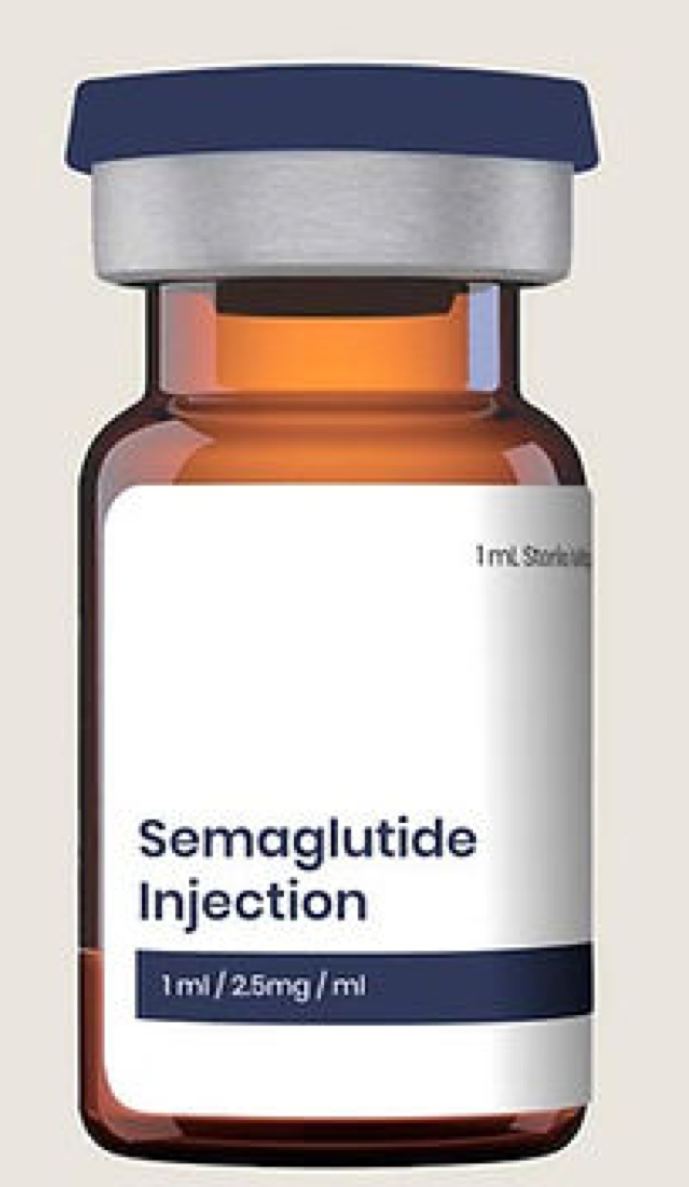
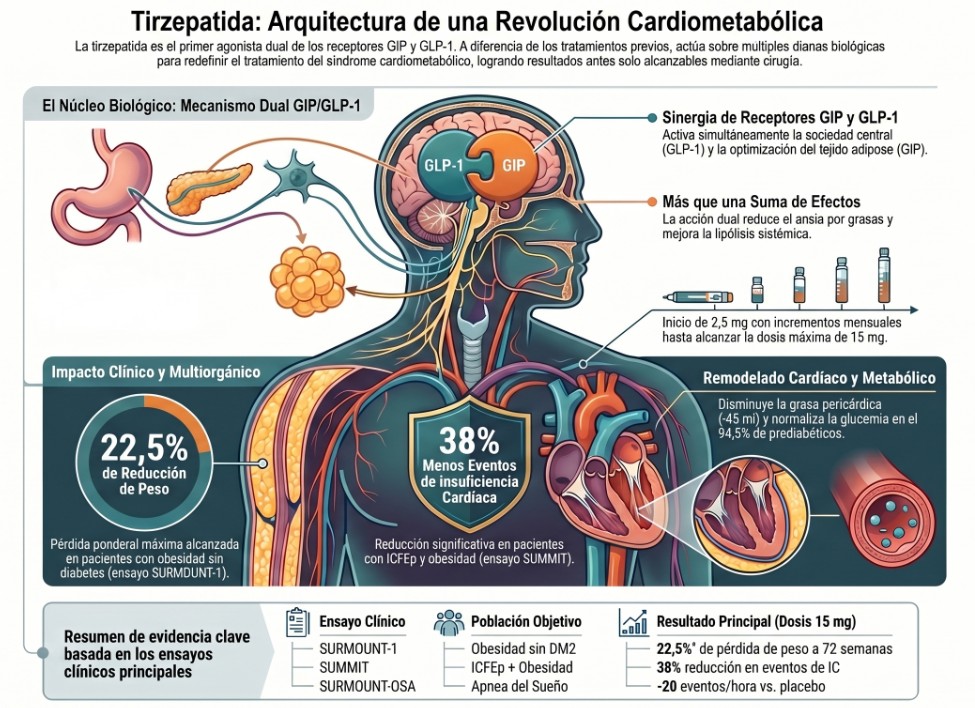
Overview of Tirzepatide Tirzepatide is a dual-agonist research peptide , interacting with: GLP-1 receptors GIP receptors Its more focused receptor profile has made Tirzepatide a reference compound in many peptide studies and comparative analyses

Long arginine 3-IGF-1, abbreviated as IGF-1 LR3 or LR3-IGF-1, is a synthetic protein and lengthened analogue of human insulin-like growth factor 1 (IGF-1).[1][2] It differs from native IGF-1 in that it possesses an arginine instead of a glutamic acid at the third position in its amino acid sequence (arginine 3), and also has an additional 13 amino acids at its N-terminus (MFPAMPLLSLFVN) (long), for a total of 83 amino acids (relative to the 70 of IGF-1).[2] The consequences of these modifications are that IGF-1 LR3 retains the pharmacological activity of IGF-1 as an agonist of the IGF-1 receptor, has very low affinity for the insulin-like growth factor-binding proteins (IGFBPs), and has improved metabolic stability.[1][2] As a result, it is approximately three times more potent than IGF-1,[3] and possesses a significantly longer half-life of about 2030 hours (relative to IGF-1s half-life of about 1215 hours).[4] IGF-1 LR3 Peptide is under active investigation in a number of cell culture and animal models

Adequate protein intake (around 1.6 g per kg of body weight if you're training), two or three resistance sessions a week, consistent sleep, and addressing any underlying issues (thyroid, testosterone, iron) before reaching for a peptide
Published 2023-6-26 Androgenetic alopecia (AGA) affects more than half of the adult population worldwide and is primarily caused by the binding of dihydrotestosterone (DHT) to androgen receptors (AR)
Eoxins are proinflammatory arachidonic acid metabolites produced via the 15-lipoxygenase-1 pathway in human eosinophils and mast cells












:format(jpg)/f.elconfidencial.com%2Foriginal%2Ff27%2Fb3a%2F460%2Ff27b3a460e92bcdc8635b6aa1b0eff12.jpg)