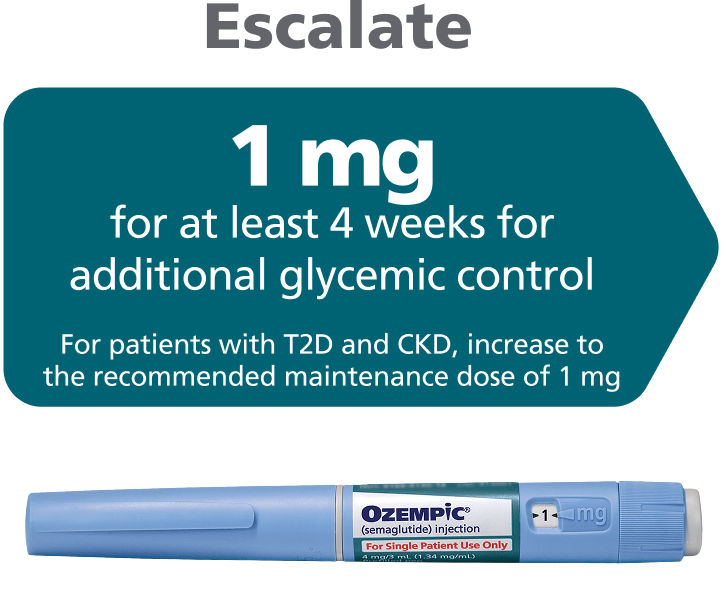
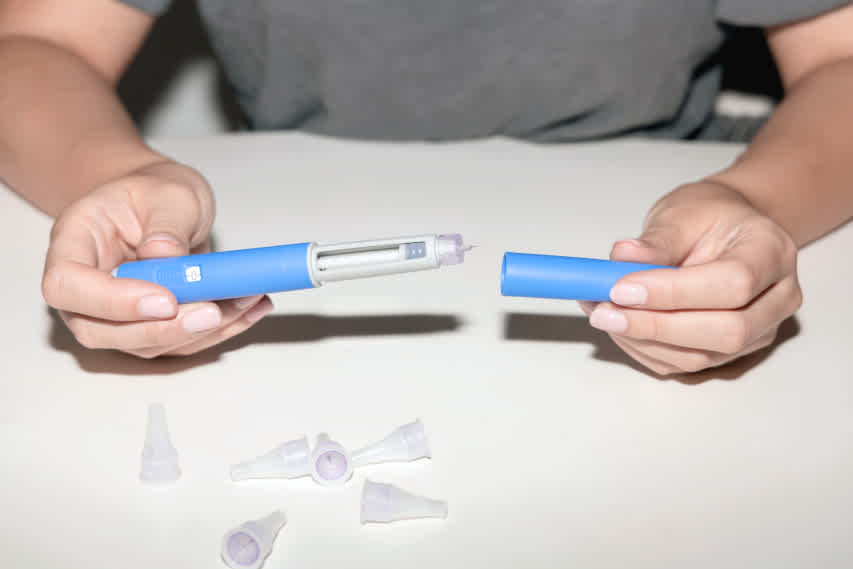
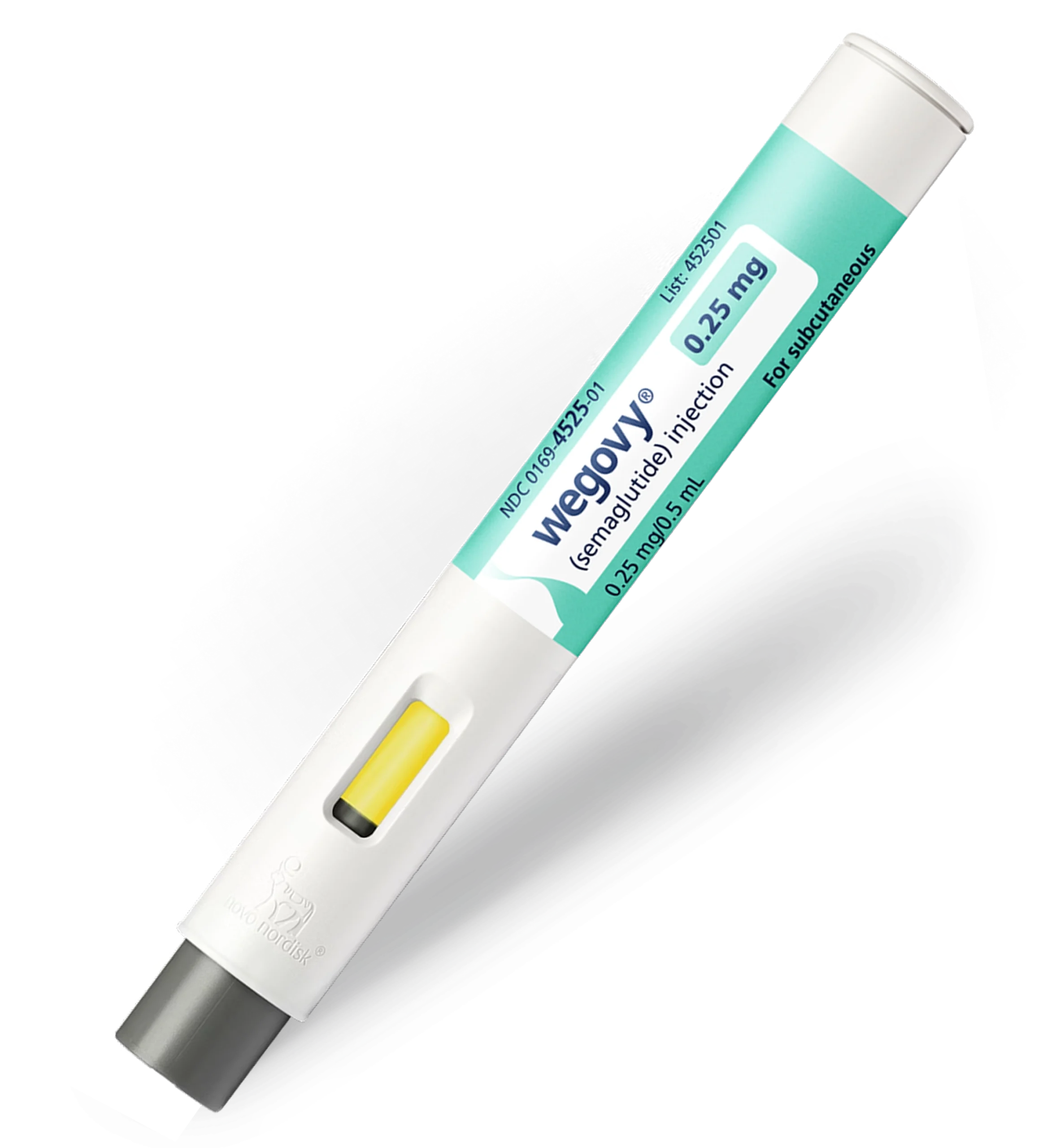
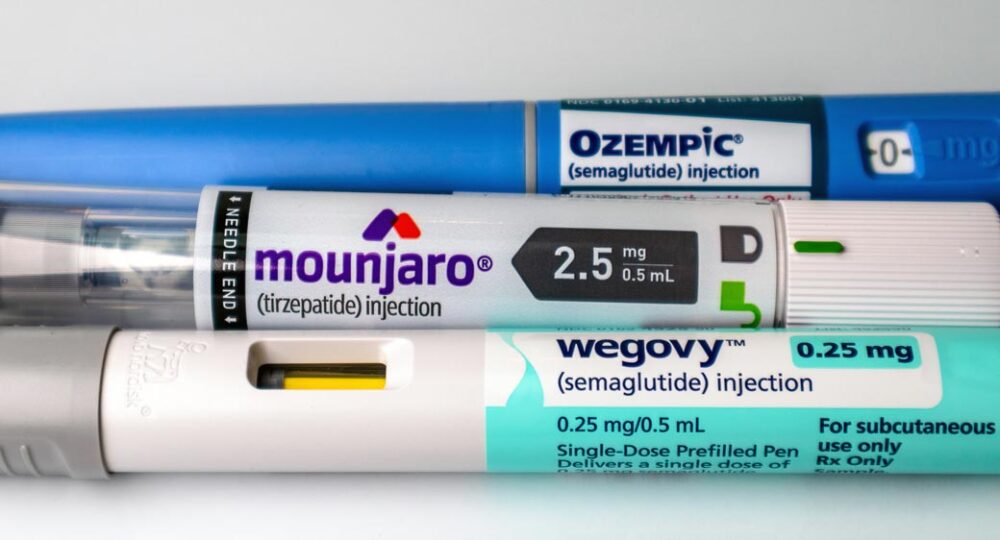
The Medicare GLP-1 Bridge is focused on the obesity indication, but the downstream benefits to the patients who take these drugs may extend across multiple organ systems potentially reducing long-term Medicare costs for cardiovascular, renal, and metabolic disease management
Protocol 4: Post-menopausal metabolic restoration Goal: Address menopausal weight gain and metabolic changes Stack: Tirzepatide: Standard protocol (addresses insulin resistance) Tesamorelin: 1-2mg daily (visceral fat) CJC-1295/Ipamorelin: 200mcg each before bed (body composition, bone density) Resistance training: 3-4x per week Adequate protein and calcium Duration: 12+ months, potentially ongoing Expected results: 25-45 pounds weight loss Reduced visceral fat Improved insulin sensitivity Better body composition Maintained bone density Why this works: Addresses multiple menopausal factors - insulin resistance, visceral fat, muscle loss, bone density
Specifically, there were fewer inhibitory neurons and an excess of glial cells, causing heightened electrical activity and neuronal hyperexcitability
In addition, the functional significance of metabolic subtyping was supported by proliferation scores and GSEA
, , ( ), ,