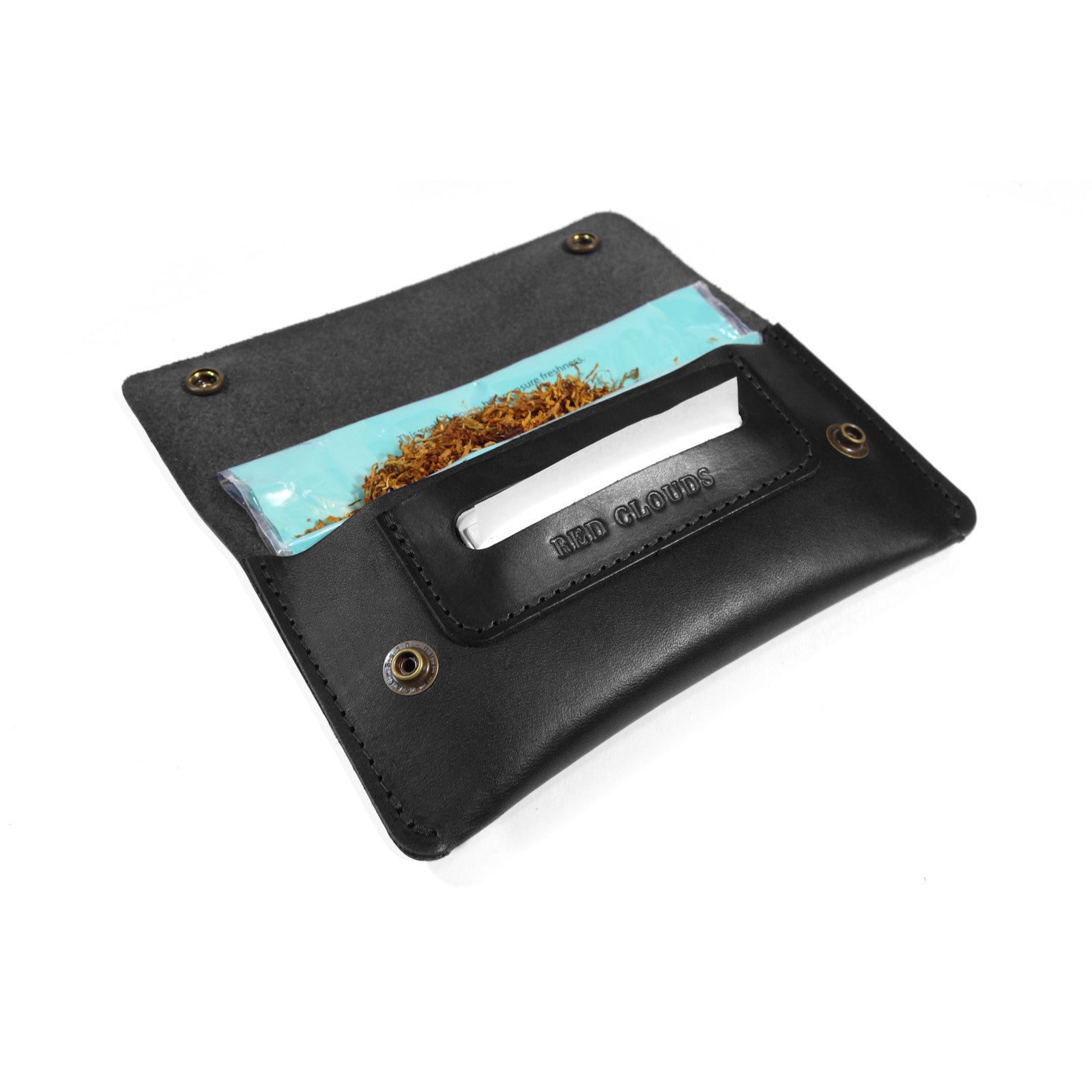
Even though a weed cough can be disconcerting the first time, its not a symbol of broader health problems
The institute hires candidates for various positions such as scientists, technical staff, administrative staff, and support staff
Adolescent smoking cessation with bupropion: the role of adherence, nicotine and tobacco research
These two sequences are planned and edited with staccato, brutal efficiency

[119] Six main secondary disabilities were identified in a University of Washington research study of 473 subjects diagnosed with FAS, PFAS (partial fetal alcohol syndrome), and ARND (alcohol-related neurodevelopmental disorder): [14] [119] Mental health problems: Diagnosed with ADHD, clinical depression, or other mental illness, experienced by over 90% of the subjects Disrupted school experience: Suspended or expelled from school or dropped out of school, experienced by 60% of the subjects (age 12 and older) Trouble with the law: Charged with or convicted of a crime, experienced by 60% of the subjects (age 12 and older) Confinement: For inpatient psychiatric care, inpatient chemical dependency care, or incarceration for a crime, experienced by about 50% of the subjects (age 12 and older) Inappropriate sexual behavior: Sexual advances, sexual touching, or promiscuity, experienced by about 50% of the subjects (age 12 and older) Alcohol and drug problems: Abuse or dependency, experienced by 35% of the subjects (age 12 and older) Two additional secondary disabilities exist for adults: [14] [119] Dependent living: Group home, living with family or friends, or some sort of assisted living, experienced by 80% of the subjects (age 21 and older) Problems with employment: Required ongoing job training or coaching, could not keep a job, unemployed, experienced by 80% of the subjects (age 21 and older) Protective factors and strengths [edit] Eight factors were identified in the same study as universal protective factors that reduced the incidence rate of the secondary disabilities: [14] [119] Living in a stable and nurturing home for over 73% of life Being diagnosed with FAS before age six Never having experienced violence Remaining in each living situation for at least 2.8 years Experiencing a "good quality home" (meeting 10 or more defined qualities) from age 8 to 12 years old Having been found eligible for developmental disability (DD) services Having basic needs met for at least 13% of life Having a diagnosis of FAS (rather than another FASD condition) Malbin (2002) has identified the following areas of interest and talents as strengths that often stand out for those with FASD and should be utilized, like any strength, in treatment planning: [79] Music, playing instruments, composing, singing, art, spelling, reading, computers, mechanics, woodworking, skilled vocations (welding, electrician, etc.), writing, poetry Participation in non-impact sports or physical fitness activities Lifespan [edit] One study found that the people with FAS had a significantly shorter life expectancy