The best dietary sources are from animal products such as meat, fish, eggs and dairy (which causes inflammation in many of our patients)
(Blue-tinged skin, resulting from inadequate oxygen levels in the blood, is a hallmark symptom of methemoglobinemia, so it's somewhat ironic that the treatment itself is a shocking blue color.) But the short-term use of a pharmaceutical-grade product in a controlled setting under the supervision of a skilled medical provider is different than buying an unregulated supplement off the internet and taking it every day because you've heard that it will give you loads of energy by "enhancing mitochondrial efficiency." In light of the increased attention being paid to the inky liquid, it makes sense to learn a bit about methylene blue's history, how it works, and whether its various health claims stand up to closer scrutiny
This class of drugs is known as GLP-1s
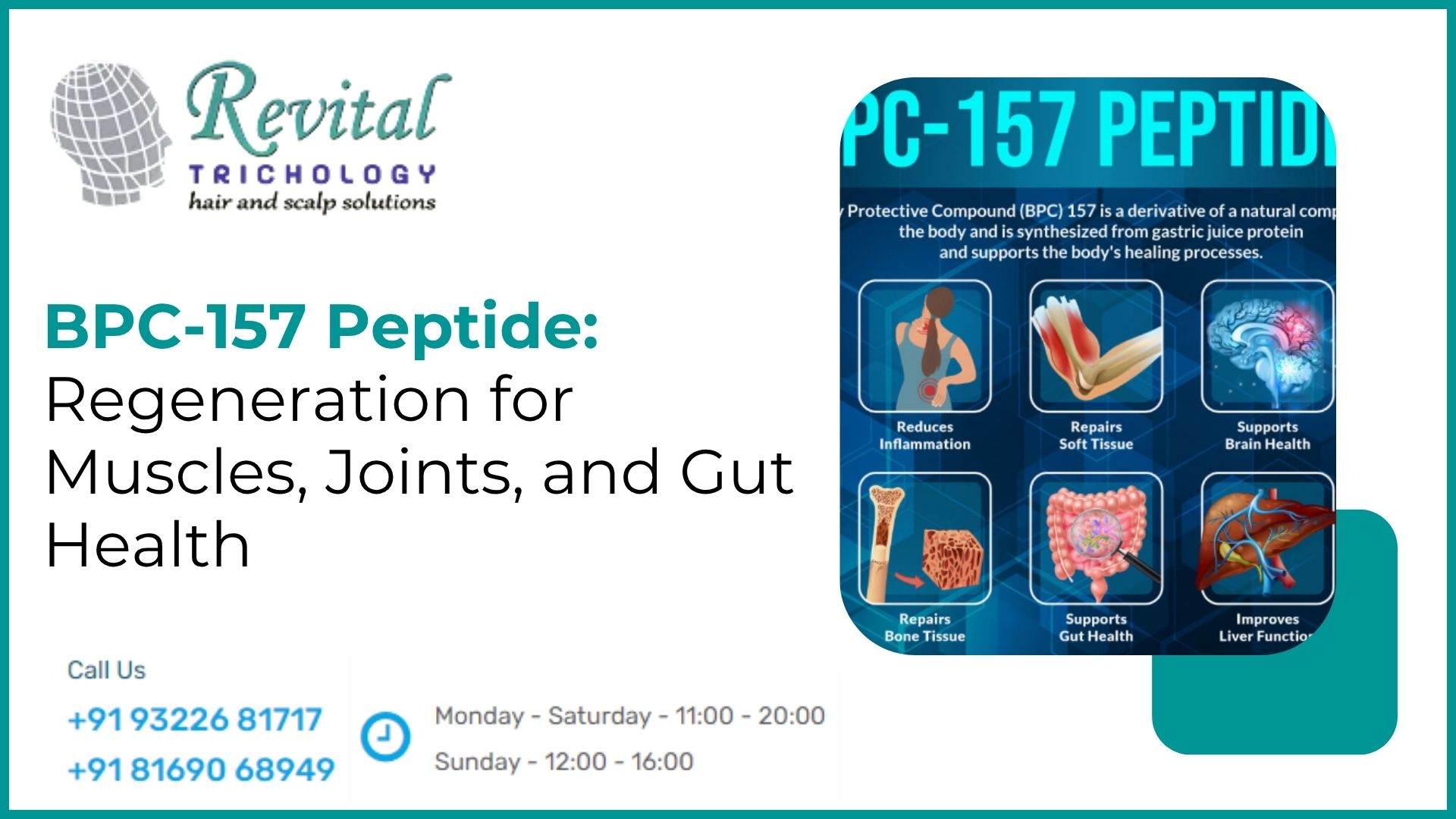
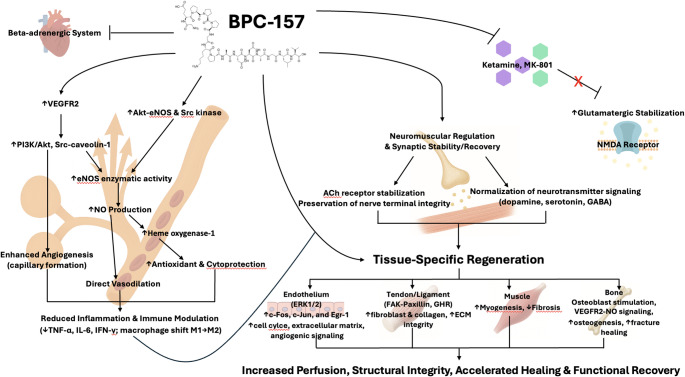
First described in the 1990s by researchers at the University of Zagreb, it has been studied across a broad range of preclinical models for regenerative and cytoprotective properties
Biologically, this is the most responsive window for treatment