The goal is not to ignore risk, but to manage it wisely, Pacis said
David Sarwer, the Associate Dean for Research and Director for the Center for Obesity Research and Education in the College of Public Health at Temple University, says it's not unusual for people to say they only notice a change in appearance when they see a static image of themselves
When to Seek Medical Advice Patients should contact their healthcare provider if they experience: Severe, persistent fatigue not improving with adequate nutrition and rest Inability to maintain adequate protein or caloric intake due to gastrointestinal side effects Signs of hypoglycemia (especially in patients taking insulin or sulfonylureas) Symptoms suggesting thyroid dysfunction Severe abdominal pain, especially if radiating to the back (possible pancreatitis) Right upper quadrant pain, fever, or jaundice (possible gallbladder disease) Persistent vomiting or signs of dehydration Concerns about excessive weight loss that should be evaluated individually These situations warrant clinical evaluation to distinguish normal treatment effects from complications requiring intervention
Effect of continued weekly subcutaneous semaglutide vs placebo on weight loss maintenance in adults with overweight or obesity: The STEP 4 randomized clinical trial
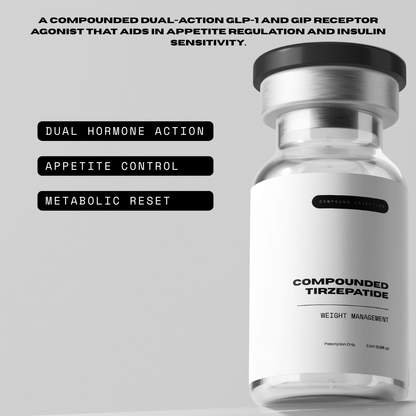
Zepbound demonstrated 20.9% mean body weight reduction in SURMOUNT-1 at 15mg surpassing semaglutides 15% benchmark and establishing dual GIP/GLP-1 agonism as the dominant next-generation obesity mechanism















![Gliscor (4/90) (Cracked Ice Holo) (Blister Exclusive) [HeartGold & SoulSilver: Undaunted] XY120](https://cdn.shopify.com/s/files/1/0769/0754/4880/products/eab4f994-026c-5b17-a206-319e8536250f.jpg?v=1702858034)