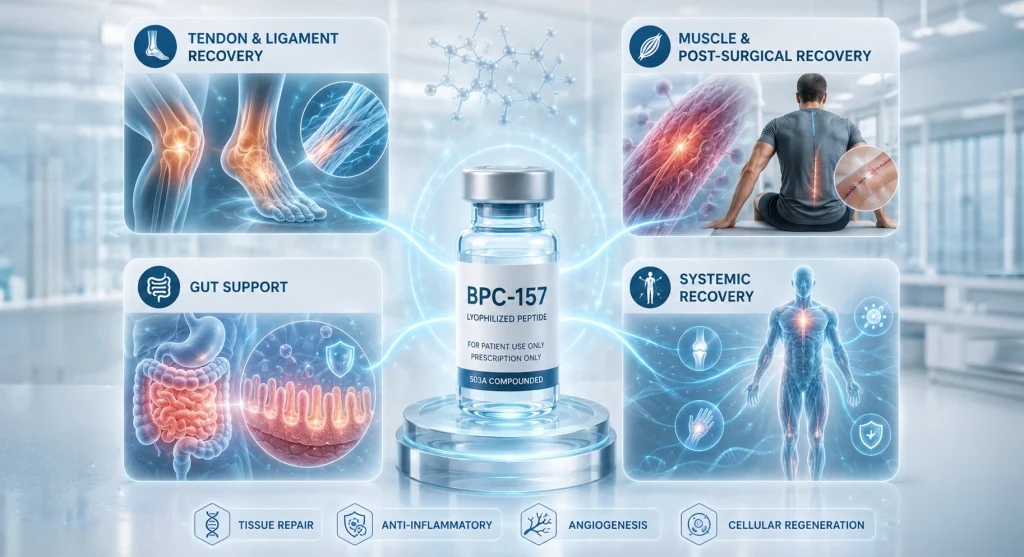
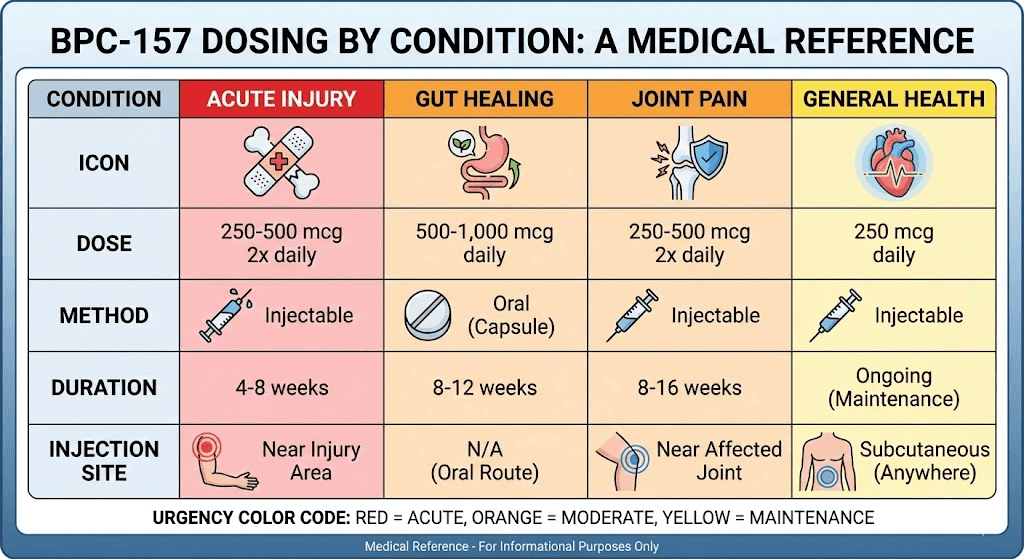
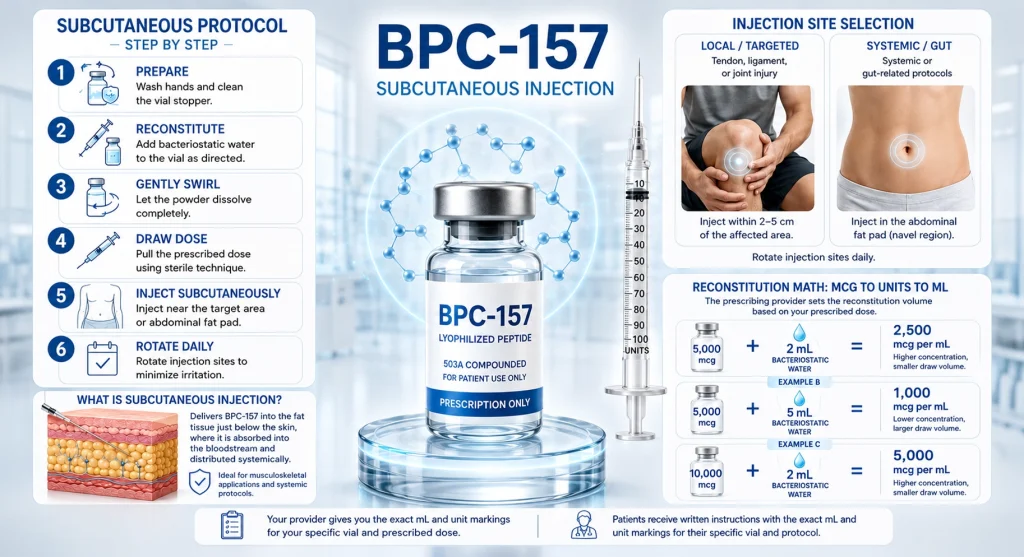
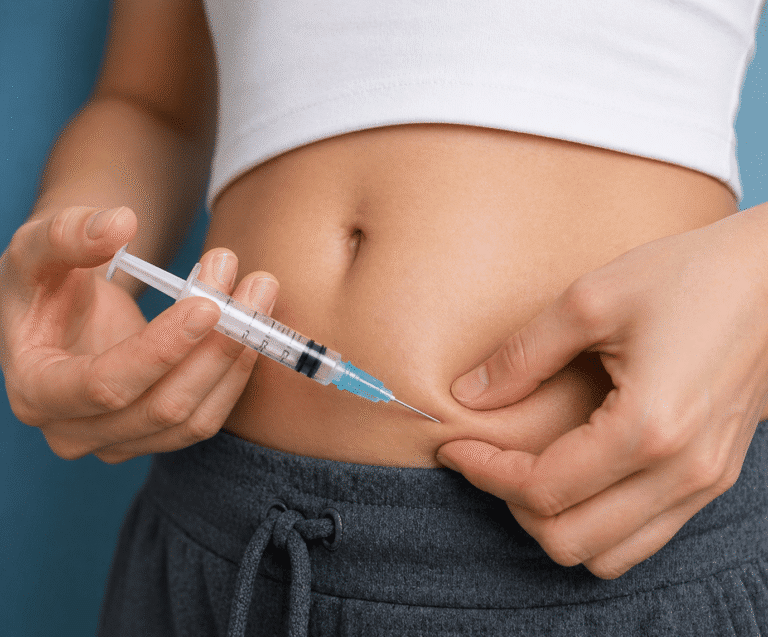
Frequency: typically 13 subcutaneous injections per day on an empty stomach, titrating up as tolerated
10.1016/j.foodchem.2019.01.185 Food Chem
Hepatocytes Alcohol metabolism predominantly occurs in the liver,6 where key enzymes such as ADH1, CYP2E1, catalase and aldehyde dehydrogenase 2 (ALDH2) are responsible for converting alcohol into acetaldehyde and then into acetate.6 This metabolic process generates ROS and shifts the cellular NAD+/NADH ratio by increasing NADH levels, leading to a reduction in NAD+, a crucial cofactor in numerous metabolic pathways.6 14 This imbalance promotes hepatic steatosis, as the excess NADH favours fatty acid synthesis over oxidation.14 The increased metabolic activity in the liver during ethanol breakdown also results in higher oxygen consumption, especially in the pericentral zone of the liver lobule, where oxygen tension is already lower.14 This localised hypoxia exacerbates liver damage by generating additional ROS, which further impairs mitochondrial fatty acid oxidation, while simultaneously upregulating genes involved in lipid synthesis.14 Acetaldehyde, a highly reactive intermediate produced during alcohol metabolism, compounds liver injury by forming adducts with proteins, DNA and lipids.15 These acetaldehyde-protein and acetaldehyde-DNA adducts disrupt cellular functions by inhibiting DNA repair, protein synthesis and enzymatic activities, thereby triggering oxidative stress and inflammation.15 Acetaldehyde also depletes glutathione, a critical antioxidant in hepatocytes, rendering them more vulnerable to ROS-induced damage.16 Moreover, acetaldehyde acts as a signalling molecule that activates HSCs, contributing to liver fibrosis.17 The oxidative stress induced by ROS causes direct hepatocellular damage and leads to the release of damage-associated molecular patterns (DAMPs) such as high mobility group box-1 (HMGB1) and mitochondrial DNA (mtDNA).18 These DAMPs activate pattern recognition receptors (PRRs) such as toll-like receptors (TLRs) and NOD-like receptors, which initiate inflammatory responses and recruit immune cells to the site of injury

Adverse Experiences by Body System, Number of Patients and Number of Occurrences by Treatment Following Intramuscular and Intranasal Administration of Cyanocobalamin
doi: 10.1093/oxfordjournals.epirev.a018040
:max_bytes(150000):strip_icc()/benefits-of-glutathione-89457_final-01-502464fe91b2444285b0cccf8cb0a33c.png)